Apr
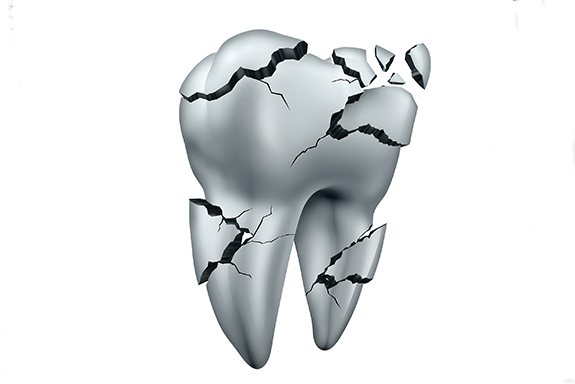
Dental emergencies come in several shapes and sizes and strike when you least expect them. Although dental emergencies are common, few are as painful and traumatic as a knocked-out tooth. Quick action can make all the difference if you have lost a tooth because of a fall or a sports accident. Pearl Dental Care in Hamden, Connecticut, shares tips on observing when you have a dislodged tooth to resolve pain and boost the chances of saving your smile.
 A dislodged tooth must never be allowed to dry out. Moisture keeps the delicate root cells alive, which increases the chances of successful reattachment. The best option is to gently place the tooth back into its socket. If that’s not possible (especially for children), put it in a milk container. Milk has proteins that give the tooth vital ingredients to keep it alive. The other option is to place the dislodged tooth in the pocket of your cheek or under the tongue, but be careful not to swallow it. Don’t put your tooth in plain tap water for too long. The root cells can swell and burst.
Always hold the tooth by the crown (the white part), not the root. Touching the root can damage the fragile tissues that are essential for reattachment. If the tooth has dirt on it, gently rinse it with milk or clean water. Avoid scrubbing or using soap.
A dislodged tooth is one of the most time-sensitive emergencies. The tooth’s survival depends on how soon it can be reimplanted while it’s alive. Ideally, you should see a dentist within 30-60 minutes of the injury. The sooner you act, the better the chance of saving your natural tooth.
So, how does the dentist save a dislodged tooth? After cleaning and disinfecting your tooth, the dentist will re-insert the tooth into the socket. A splint will stabilize the tooth after ensuring it aligns with the other teeth. Splinting is generally required for 2-3 weeks to allow the tooth to bond with the underlying bone. Sometimes your knocked-out tooth may need a root canal to resolve lingering infection. Your dentist will advise on the best course of action to preserve your oral health.
You need dental emergency care because of the severity of trauma, infection, or pain. While a knocked-out tooth is an obvious dental emergency, there are other cases where you need urgent dental care.
These include.
Tempted to ignore a dental emergency? It’s not a good idea. Dental injuries worsen if ignored. What could be easily resolved with a filling can quickly progress into a bigger issue that needs costly, time-consuming treatment. Professional dental care ensures the issue is handled decisively to avoid permanent damage or recurrence.
Do you or your loved one need emergency dentistry? Pearl Dental Care offers timely and expert care you can count on. Dial (203) 285-8245 and reserve your consultation with Drs. Gary R. Pearl, Scott A Pearl, and Adam R Abel.
Gary R. Pearl, DMD, MAGD, graduated from the University of Connecticut with a BS in Pharmacy and the University of Connecticut School of Dental Medicine. He spent his general practice residency at Park City Hospital in Bridgeport, CT, and is a graduate of the Pankey Institute in Key Biscayne, FL. In 2005, he achieved the highest Academy of General Dentistry honor- Mastership (MAGD). Dr. Pearl is a member of the American Dental Association (ADA), American Academy of Cosmetic Dentistry, Connecticut State Dental Association (CSDA), and the Academy of General Dentistry. Dr. Pearl is an expert in many facets of dentistry is constantly advancing what dentistry can offer.
Scott A Pearl, DMD, FAGD, attended college at the University of Connecticut followed be earning a masters degree in Molecular and Cell Biology from Quinnipiac University. He graduated from the University of Connecticut School of Dental Medicine and completed his residency training at Montefiore Medical Center in the Bronx, NY. In 2021, Dr. Pearl became a Fellow of the Academy of General Dentistry, a milestone reached by only six percent of dentists in the US. He is President of the New Haven Dental Association from 2024 to 2025 (Board Member since 2021), and a member of the American Academy of Facial Esthetics, American Dental Association and CT State Dental Association. His clinical interests include CEREC digital dentistry and implants.. He believes that quality dental care can profoundly affect patients’ physical and mental well-being.
View LinkedIn ProfileAdam R Abel, DMD, MD, specializes in oral and maxillofacial surgery. He received his BS from Tufts University and his DMD from the University of Connecticut School of Dental Medicine. He then underwent specialty training in oral and maxillofacial surgery at the New York-Presbyterian Hospital Weill Cornell Medical Center. He earned an MD degree at Weill Cornell Medicine and completed extensive training in anesthesiology and general surgery. Dr. Abel also works in NYC and has a teaching position at Weill Cornell, where he also performs advanced jaw surgeries, including orthognathic surgery. He is a Diplomate of the American Board of Oral and Maxillofacial Surgery.